
  |

|
 |
|
Case Series
| ||||||
| Isolated polyostotic fibrous dysplasia of the spine: A diagnostic challenge | ||||||
| Virinder Mohan1, Krishnan K. Unni2, Nimisha Batra3, Ajit Ambekar4 | ||||||
|
1MD, (Radiology), PhD, (Radiology), FICR, Post Graduate, Department of Radio-Diagnosis & Imaging, Subharti Medical College, Swami Vivekanand Subharti University, Subhartipuram, N.H 58 Meerut 250005 (UP), India. (Formerly Senior Consultant and Chief of Radiological Services, Armed Forces Hospital, Muscat (Sultanate of Oman).
2MD, Chief of Laboratory Medicine & Pathology, Mayo's Clinic, 200 First Street SW Rochester MN 55905, USA. 3MBBS, Resident, Post Graduate, Department of Radio-Diagnosis & Imaging, Subharti Medical College, Swami Vivekanand Subharti University, Subhartipuram, N.H 58 Meerut 250005 (UP), India. 4MS, Ortho, Consultant Orthopaedic Surgeon, Armed Forces Hospital, Muscat (Sultanate of Oman). | ||||||
| ||||||
|
[HTML Abstract]
[PDF Full Text]
[Print This Article]
[Similar article in Pumed] [Similar article in Google Scholar] 
|


| How to cite this article |
| Mohan V, Unni KK, Batra N, Ambekar A. Isolated polyostotic fibrous dysplasia of the spine: A diagnostic challenge. Int J Case Rep Images 2014;5(12):808–812. |
|
Abstract
|
|
Introduction:
Fibrous dysplasia is a non-malignant fibro-osseous disease of the bone can occur in monostotic or polyostotic form. The polyostotic form is more common and involves pelvis, femur, tibia, ribs, calvarium and the facial bones. Spinal involvement in fibrous dysplasia is extremely uncommon both in mono-ostotic as well as in polyostotic variety. Isolated involvement of multiple vertebrae with normal rest of the skeleton is extremely rare and only one such case has been reported earlier [1].
Case Series: In this study, we are reporting two cases of isolated fibrous dysplasia of the spine with multiple vertebral involvement and without any clinical, endocrinal as well as radiological evidence of the disease in the axial skeleton. The patients presented in 2nd–4th decade, both with complaints of low back pain. The radiological, clinical and biochemical evaluation have been discussed in details. The diagnosis of the disease was made in both cases on the basis of clinico-radiological workup and confirmed by histopathology. Conclusion: Fibrous dysplasia is not commonly seen to occur in spinal column. When seen, vertebral lesions show almost the same features on conventional radiographs as seen in appendicular skeleton. Patients usually present with minor clinical symptoms which are disproportionate to the imaging findings. A high index of suspicion on the conventional radiography with proper clinical workup will help in the diagnosis. | |
|
Keywords:
Fibrous dysplasia, Fibrous dysplasia of spine, Isolated spinal fibrous dysplasia
| |
|
Introduction
| ||||||
|
Fibrous dysplasia is an interesting non-malignant fibro-osseous disease of the bone accounting for about 2.5% of all the bony lesions. Polyostotic form of the disease occurs more frequently than the monostotic form and usually involves bones of the pelvis, femur, tibia, ribs, calvarium and the facial bones. Vertebral involvement in both types is extremely uncommon [1] [2] [3] [4] [5]. In a typical case of polyostotic disease involving multiple bones of the axial skeleton with or without clinical stigmata of the disease, the presence of disease in a single or multiple vertebrae may not pose a diagnostic problem. However, selective involvement of single or multiple vertebrae with normal rest of the skeleton and without any cutaneous stigmata or endocrinal involvement, the diagnosis becomes a real challenge. | ||||||
|
Case Series
| ||||||
|
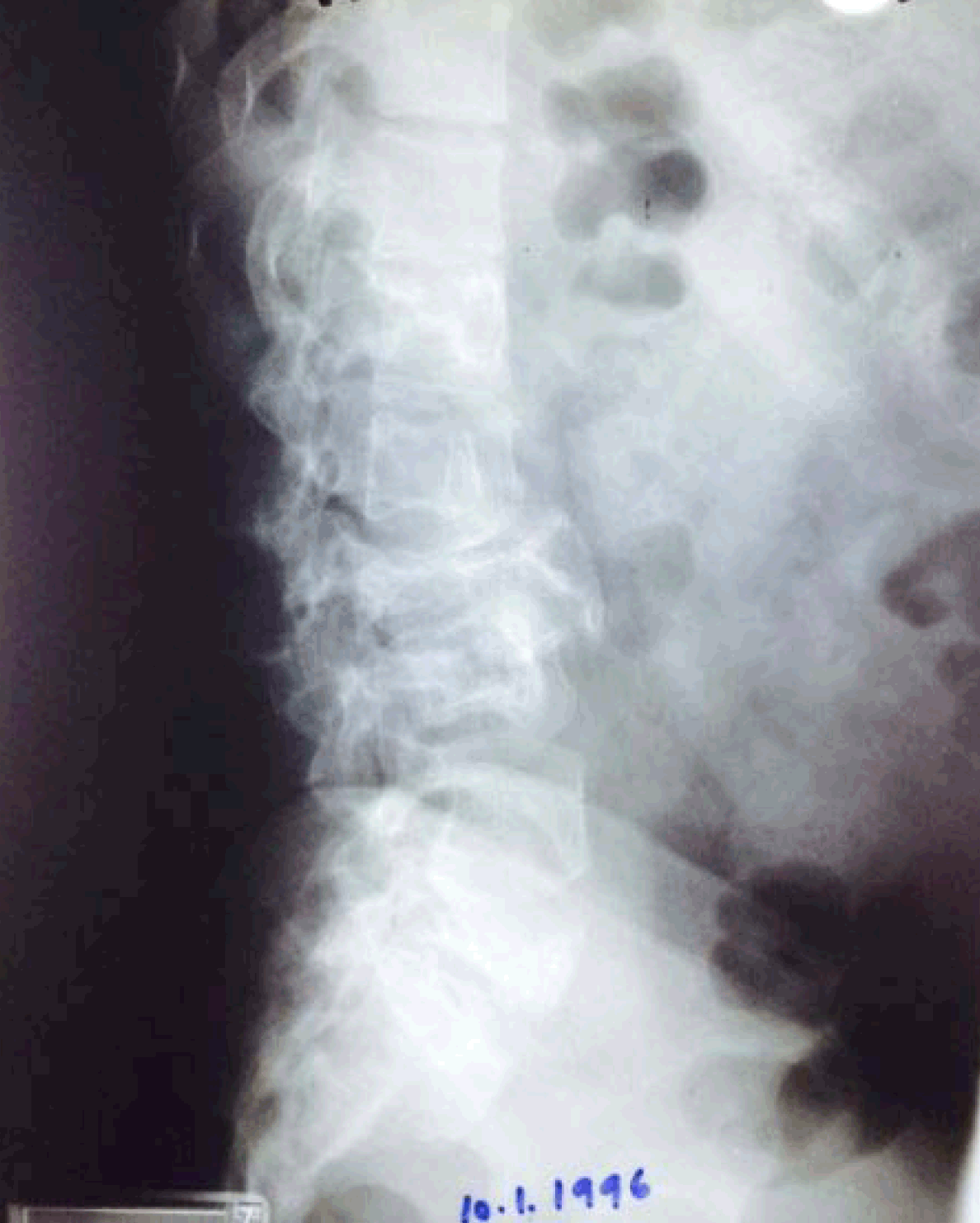
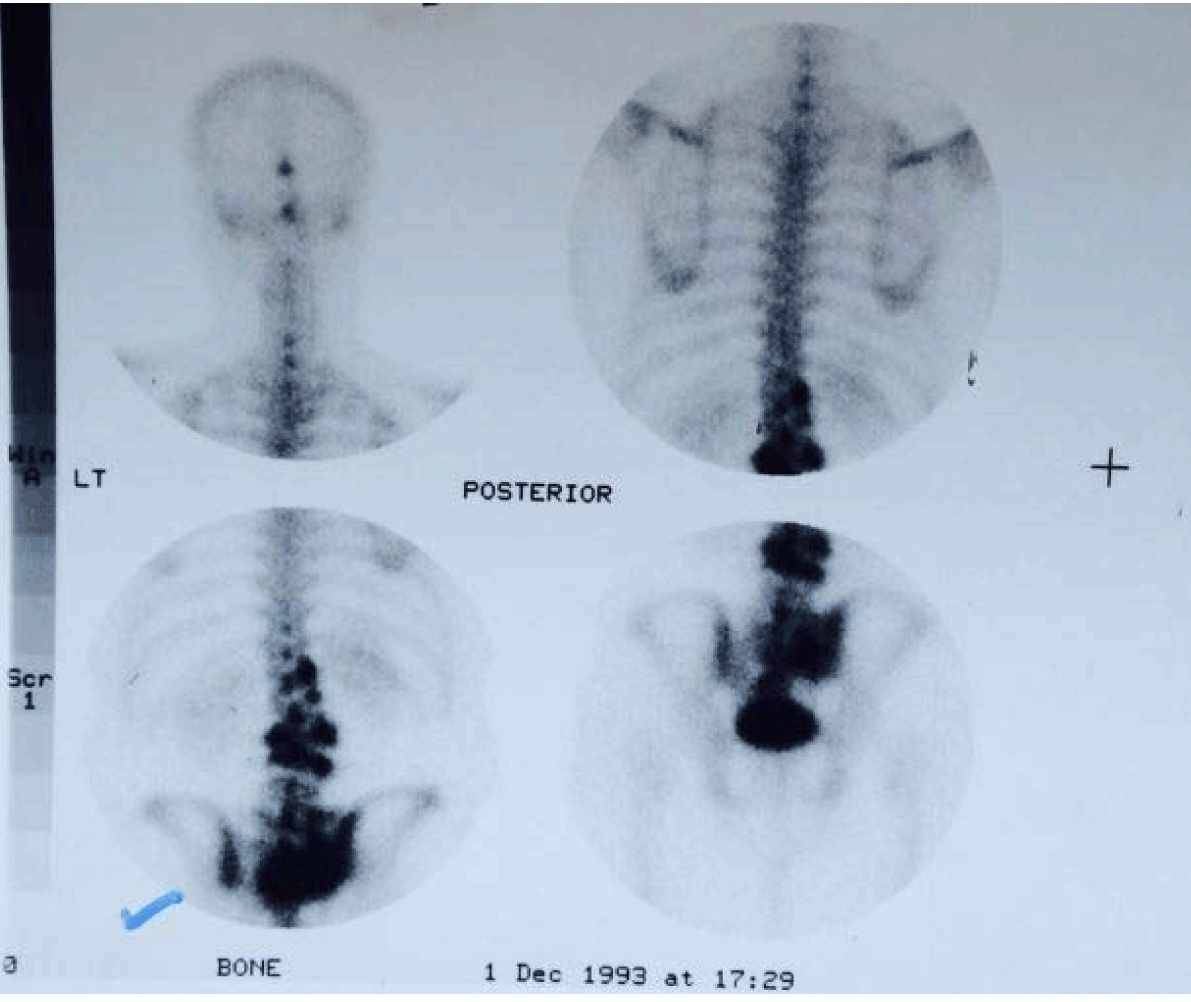
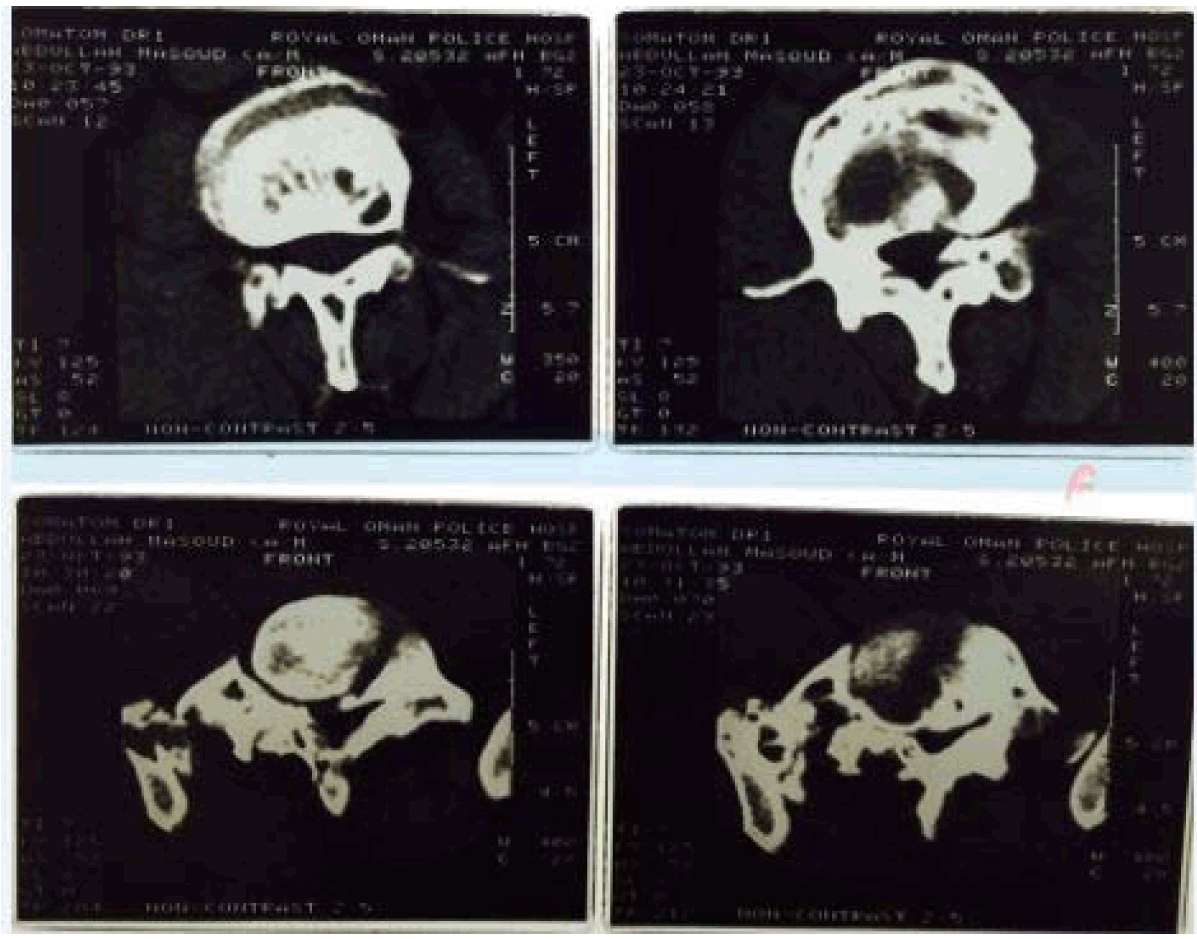
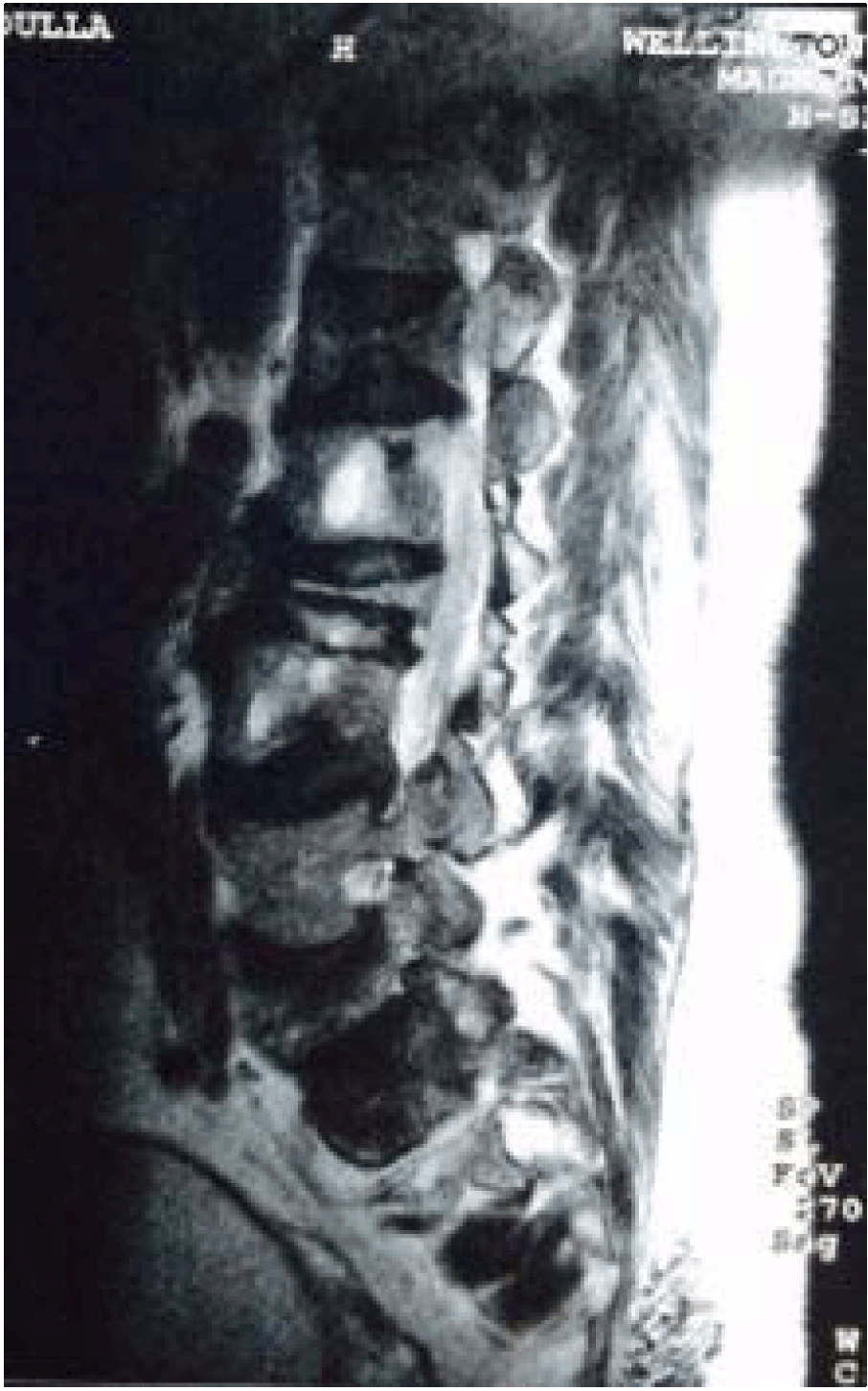
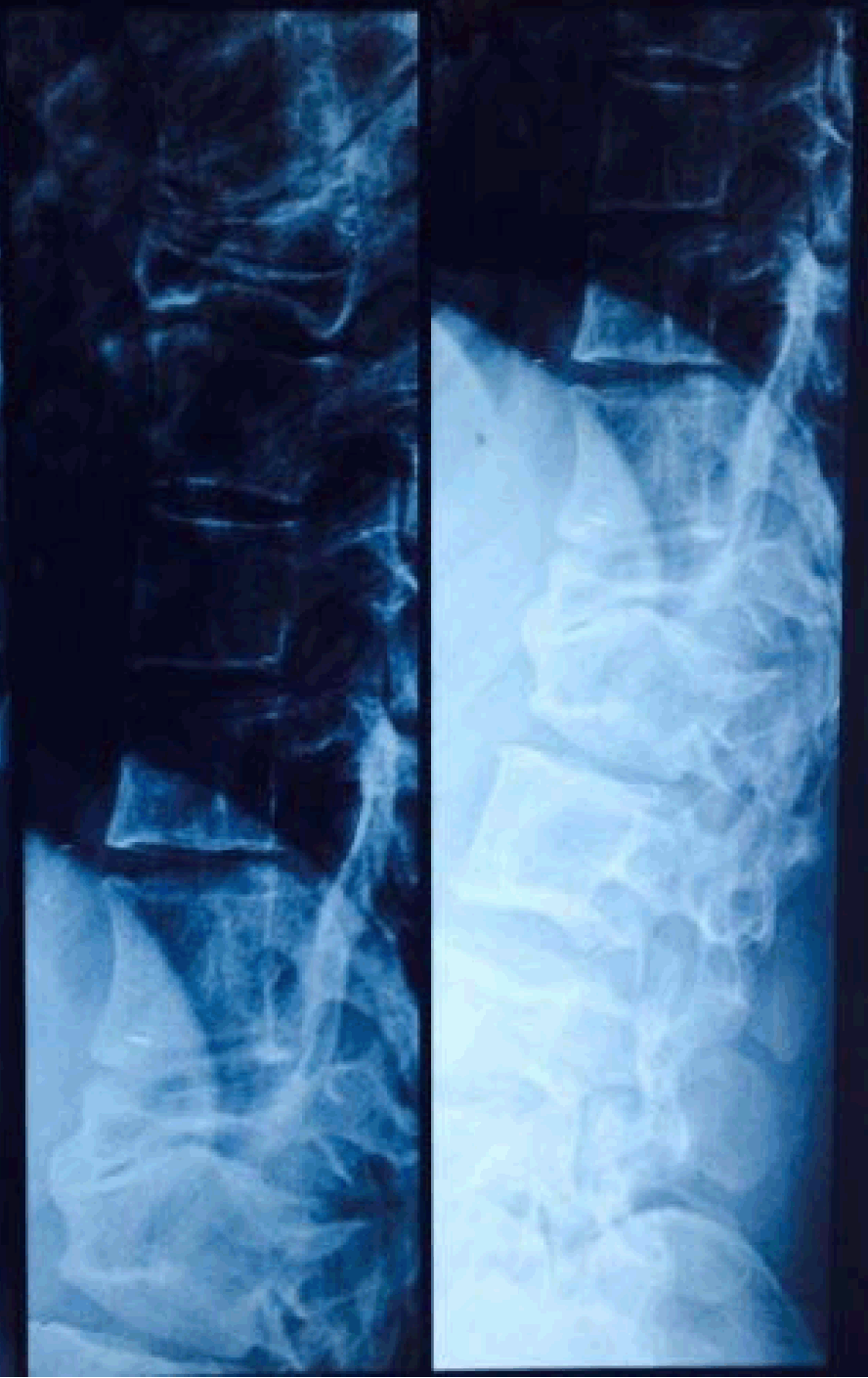
Case 1: A 41-year-old male, a serving army soldier, was X-rayed for low back pain of nearly four years duration, at a peripheral medical unit of the Royal Army of Oman, and the radiographs were sent to the senior author for his opinion. The anteroposterior and lateral radiographs of the dorsolumbar and sacral spine (Figure 1A-b) revealed different degree of collapse of multiple lower dorsal, lumbar and upper sacral vertebrae with evidence of expansion, complete effacement of the trabecular pattern and compromise of the spinal canal at multiple levels. Possibilities of multiple myeloma, metastatic malignancy and hyperparathyroidism were entertained on the basis of above radiographic findings and the patient was asked to report to the senior author for full clinico-radiological and biochemical workup. Clinical examination revealed a healthy young soldier in sound health. General physical examination was unremarkable. Local examination revealed mild tenderness in the lumbosacral region. Spinal movements were restricted but were pain free. Skeletal survey including chest skiagram did not reveal any positive finding. Ultrasound examination of the abdomen was normal. All the laboratory investigations were reported normal. On enquiry, the patient produced an old set of Lumbar spine radiographs taken three years back for the same complaints, which revealed almost the same radiographic findings (Figure 2). Considering the clinical status and young age of the patient, the radiological findings of multiple vertebral collapse without any history of trauma, effacement of the trabecular pattern with evidence of bony expansion and ground glass attenuation with no significant change in the radiographic findings during three years interval and with no evidence of compressive myelopathy in spite of the advanced spinal changes, a firm clinico-radiological diagnosis of a benign pathology was made with fibrous bysplasia as the possible diagnosis. A nuclear bone scan revealed high uptake of the tracer in the involved vertebrae (Figure 3). Computed tomography (CT) scan of the lumbosacral spine revealed expansile destructive lesions of multiple vertebrae (Figure 4) but these findings did not help in confirming or refuting the diagnosis of fibrous dysplasia. Considering the advanced radiographic findings in multiple vertebrae and possibility of impending paraplegia, the patient was referred to UK for confirmation of the diagnosis and for prophylactic surgical fusion, to prevent compressive myelopathy. The patient had a repeat CT scan, MRI scan (Figure 5) and bone scan followed by one close and one open biopsy. However, although the slides were reviewed by multiple pathologists, no definitive conclusions could be made and the possibilities of Paget's disease and fibrous dysplasia were entertained with majority favoring Pagets's disease. No surgical intervention was undertaken and the patient was called for review after six months. Meantime, histopathological slides were obtained from the London hospital and were sent to Mayo's clinic, along with full clinico-radiological workup. The slides were reviewed by the second author (K.K.Unni) along with his team of skeletal pathologists, who confirmed the diagnosis of polyostotic fibrous dysplasia. Three years follow-up did not reveal any progress of the disease. | ||||||
|
| ||||||
| ||||||
| ||||||
| ||||||
|
| ||||||
|
| ||||||
|
Case 2: A 20-year-old female was seen at another hospital for low back pain of two years duration and had X-rays of lumbosacral spine which were reported as metastatic malignancy. She was referred to this department. For CT scan of chest and abdomen to find out the possible source of primary malignancy. Review of the radiographs revealed variable degrees of collapse of multiple dorsolumbar vertebrae with evidence of expansion and complete effacement of the trabecular pattern (Figure 6). The bony changes were almost similar as seen in the X-rays of the Case 1. Clinically, the patient was in good health with no neurological deficit inspite of the advanced radiological findings. On the basis of good general condition of the patient, young age and sex of the patient and advanced spinal changes without any compressive myelopathy and our experience with the first case, a confident clinico-radiological diagnosis of fibrous dysplasia of the spine was made. Skeletal survey revealed normal skull, pelvic and normal limb bones. However, the chest radiograph revealed, an expansile lesion of right sided sixth rib with ground glass trabecular pattern, typical of fibrous dysplasia (Figure 7). The clinico-radiological diagnosis was confirmed by biopsy from the rib. The patient was advised prophylactic orthodesis of the spine, which was refused. She is receiving symptomatic treatment and is doing well. | ||||||
|
| ||||||
|
| ||||||
| ||||||
|
Discussion
| ||||||
|
Fibrous dysplasia of bone is a developmental disorder characterized by fibrous replacement of the normal medullary bone with poorly organized spicules of immature bone in a fibrous connective tissue. The disorder was first characterized by Lichenstein in 1938 and was subsequently found to have monostotic and polyostotic varieties, the latter of which may be coupled with cutaneous and or endocrinal abnormalities [6]. Fibrous dysplasia affecting the vertebrae is very unusual [1] [3] [4] [7] [8]. Dahlin and Unni found only two cases of vertebral involvement out of 418 cases reviewed [3]. Even in the cases with polyostotic disease showing typical lesions in multiple bones of the skeleton, one may come across only an odd case either on skeletal survey or on nuclear bone scan, and the diagnosis of vertebral fibrous dysplasia in these cases may not be difficult in the light of typical bony findings elsewhere in the skeleton. In the monostotic form, the diagnosis is seldom possible on Imaging and is always histopathological [7] [9] [10]. The diagnosis of fibrous dysplasia was really a challenge in our cases as the disease was involving multiple vertebrae with normal appendicular skeleton. Fortunately in both of our cases, we could make the diagnosis on the basis of clinico-radiological findings, although it took lot of time and efforts in getting the diagnosis confirmed histopathologically in the Case 1. Only one similar case showing multiple vertebral involvement with normal appendicular skeleton has been found reported in scanned literature [1]. There is no predeliction for any part of the spinal column for fibrous dysplasia, though sacral and coccygeal involvement is distinctly rare. Lumbar spine has been found to be involved in majority of case [4] [11] followed by cervical and thoracic spine [5] [7] [9] [10] [12]. | ||||||
|
Conclusion
| ||||||
|
No pathognomic radiologic findings have been described in spinal fibrous dysplasia. The vertebral lesions in fibrous dysplasia show almost the same features on conventional radiographs as seen in the appendicular skeleton, including expansion of the bone with thining of the cortex and ground glass trabecular pattern. The lesions may present with minor symptoms and the clinical signs and symptoms are disproportionate to the imaging findings which are quite advanced. Spinal cord compression is quite rare [8]. The discrepancy in the clinical and imaging findings is quite helpful in arriving at a clinico-radiological diagnosis. A high index of suspicion on the plain X-rays, with proper clinical workup as in our cases will help in the diagnosis less short of biopsy. | ||||||
|
Acknowledgements
| ||||||
|
We are grateful to the Director, Armed Forces Medical Services, Royal Army of Oman Ministry of Defence, Sultanate of Oman for all the help rendered in getting the diagnosis conformed in Case 1. | ||||||
|
References
| ||||||
| ||||||



|
[HTML Abstract]
[PDF Full Text]
|
|
Author Contributions:
Virinder Mohan – Substantial contribution to concept and design, Acquisition of data, Drafting the article, Revising it critically for important intellectual content, Final approval of the version to be published Krishnan K. Unni – Substantial contribution to concept and design, Acquisition of data, Revising it critically for important intellectual content, Final approval of the version to be published Nimisha Batra – Substantial contribution to concept and design, Acquisition of data, Drafting the article, Revising it critically for important intellectual content, Final approval of the version to be published Ajit Ambekar – Substantial contribution to concept and design, Acquisition of data, Revising it critically for important intellectual content, Final approval of the version to be published |
|
Guarantor of submission
The corresponding author is the guarantor of submission. |
|
Source of support
None |
|
Conflict of interest
Authors declare no conflict of interest. |
|
Copyright
© 2014 Virinder Mohan et al. This article is distributed under the terms of Creative Commons Attribution License which permits unrestricted use, distribution and reproduction in any medium provided the original author(s) and original publisher are properly credited. Please see the copyright policy on the journal website for more information. |
|
|