|
Case Report
Solitary nodule of cutaneous reticulohistiocytosis: A case report
1 MD, MSc, Department of Pathology and Molecular Medicine, McMaster University, Hamilton, Ontario L8S 4K1, Canada
2 MD, FRCPC, FCAP, Assistant Professor, Department of Pathology and Molecular Medicine, McMaster University, Hamilton, Ontario L8S 4K1, Canada
3 MD, PhD, MSc, FRCPC, Associate Professor, Department of Pathology and Molecular Medicine, McMaster University, Hamilton, Ontario L8S 4K1, Canada
4 MB-Bch, FRCP, FCAP, FASCP, Professor, Department of Pathology and Molecular Medicine, McMaster University, Hamilton, Ontario L8S 4K1, Canada
Address correspondence to:
Jeffrey E Fournier
1280 Main Street West, Hamilton, Ontario L8S 4K1,
Canada
Message to Corresponding Author
Article ID: 100066Z11JF2022
Access full text article on other devices

Access PDF of article on other devices

How to cite this article
Fournier JE, Shao T, Popovic S, Alowami S. Solitary nodule of cutaneous reticulohistiocytosis: A case report. J Case Rep Images Pathol 2022;8(2):17–21.ABSTRACT
Introduction: Solitary cutaneous reticulohistiocytosis represents a rare form of benign monocyte/macrophage proliferation. On routine histology, these lesions are typically described as large cells with cytoplasm showing ground glass appearance and giant cells. They grow up to 1 cm in size with rare cases exceeding this size.
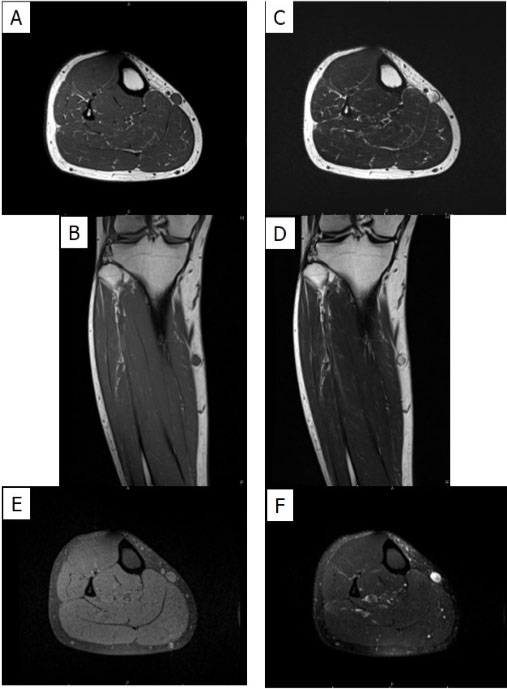
Case Report: This case report of a 28-year-old male demonstrated a nodule of reticulohistiocytosis measuring 2.2 cm in size. Microscopic features showed a well-demarcated nodule in the dermis with large histiocytes with ground-glass eosinophilic cytoplasm, giant cells, and foamy macrophages in a background of mixed inflammatory cells. Immunohistochemical staining showed positive staining for vimentin, CD68, CD31, with focal and patchy positivity for S100, CD43, and CD45 and negative staining for CD1a, langerin, CD21, CD23, CD30, CD34, ERG, D2-40, AE1/AE3, epithelial membrane antigen (EMA), smooth muscle actin (SMA), myogenin, desmin, SOX10, HMB-45, tyrosinase, and MelanA.
Conclusion: The microscopic and immunohistochemical findings are characteristic of this entity but it is important to recognize for proper management and differentiation from other malignant lesions.
Keywords: Cutaneous, Dermal, Reticulohistiocytosis, Solitary
SUPPORTING INFORMATION
Author Contributions
Jeffrey E Fournier - Substantial contributions to conception and design, Drafting the article, Revising it critically for important intellectual content, Final approval of the version to be published
Tiffany Shao - Analysis of data, Interpretation of data, Revising it critically for important intellectual content, Final approval of the version to be published
Snezana Popovic - Analysis of data, Interpretation of data, Revising it critically for important intellectual content, Final approval of the version to be published
Salem Alowami - Substantial contributions to conception and design, Interpretation of data, Revising it critically for important intellectual content, Final approval of the version to be published
Guarantor of SubmissionThe corresponding author is the guarantor of submission.
Source of SupportNone
Consent StatementWritten informed consent was obtained from the patient for publication of this article.
Data AvailabilityAll relevant data are within the paper and its Supporting Information files.
Conflict of InterestAuthors declare no conflict of interest.
Copyright© 2022 Jeffrey E Fournier et al. This article is distributed under the terms of Creative Commons Attribution License which permits unrestricted use, distribution and reproduction in any medium provided the original author(s) and original publisher are properly credited. Please see the copyright policy on the journal website for more information.